Native Flowers Take Centre Stage in August
Grevillea is the standout in the August garden, bursting into its main flowering flush and pulling honeyeaters and native bees in from all directions. Boronia joins it with a gorgeous, unmistakable scent, and westringia lights up as a wonderfully easy, low-fuss flowering hedge, more good reasons to spend time outside as the days stretch out. Wattle and correa, which were already putting on a show in July, keep going strong too, especially the later-flowering wattle varieties that were still waiting their turn last month.
If you’ve got a gap in the garden to fill, August is a great time to plant new grevilleas and boronias while the soil is still cool and holding onto winter’s moisture, giving roots a chance to settle in before the warmer months arrive.
To help the flowers along, feed natives every 2 to 4 weeks with PowerFeed All Purpose including Natives. It’s a low-phosphorus formula, made especially for Australian natives that can be sensitive to the phosphorus levels in standard fertilisers. Apply it as plants come into active flowering to get the best from them.


Cyclamen in Bloom This August
If you want a real burst of colour this month, cyclamen delivers it. The hardy garden types are winding down after a lovely autumn and winter show, while potted cyclamen (Cyclamen persicum), the ones you’ll spot everywhere at the nursery right now, are still going strong, with their pretty swept-back petals in shades of white, pink, red and purple lighting up a porch, entrance or windowsill. It’s a great time to pick up a pot or two while the display is at its best.
Cyclamen like it cool and bright rather than hot and dark, so a spot with morning sun and afternoon shade suits them well, indoors or out. Water around the base of the plant rather than over the top of the tuber and leaves, since sitting water on the crown is the main reason potted cyclamen tend to struggle. Let the top of the mix dry out a little between waterings rather than keeping it constantly moist.
To keep the flowers coming, pick off spent blooms and any yellowing leaves as you go, and feed lightly every 2 to 4 weeks with PowerFeed PRO SERIES for Roses & Flowers to support a longer, fuller display. When flowering eventually slows down, it’s simply the plant’s natural rhythm; ease off watering and let it rest before it comes back around next autumn.
The Vegie Patch in August
The winter vegie patch keeps giving right through August, with silverbeet, broccoli and cabbages all ready for the picking. Harvest often and enjoy them while they’re at their best, and give plants a quick tidy-up as you go by removing any dead or yellowing leaves. It keeps everything cropping happily for longer.
August is also the perfect time to get a head start on what’s next. Pop in leek, spring onion, celery, parsley and chives, and if you’ve been thinking about an asparagus bed that keeps cropping for years, now’s the time to plant the crowns. There’s still room for snow peas too, a quick and rewarding crop while you wait for summer vegetables to take over. For a steady stream of snow peas rather than one big rush, sow a short row every couple of weeks instead of planting it all at once.
When you’re planting out seedlings or crowns, mix PowerFeed PRO SERIES for Tomatoes & Vegetables through the soil first, so young roots have everything they need right from the start.


Weeds Are Waking Up Too
Along with everything you love seeing in the garden, August brings a few uninvited guests. Chickweed, onion weed and oxalis all enjoy this time of year and can spread quickly through lawns and garden beds while conditions stay mild and moist.
The good news is a little effort now goes a long way. Hand-weed small patches while they’re easy to manage, aiming to catch oxalis and onion weed before they set bulbs. Chickweed is shallow-rooted and usually pulls out easily by hand, so a quick weeding session can make a real difference before it has a chance to seed.
For bigger patches, spot spray with EarthCare Organic Weedkiller, aiming carefully to keep it off nearby plants. It knocks out shallow-rooted chickweed in one go, but oxalis and onion weed regrow from bulbs a contact spray can’t reach, so hand-weed those before they set bulbs, or use a systemic weedkiller for a longer-term fix.
It’s also great on moss and lichen, common on paths and pavers after a wet winter, so it’s a handy one for freshening up shaded areas too.
Get Vegie Beds Ready for Planting, Even in Wet Weather
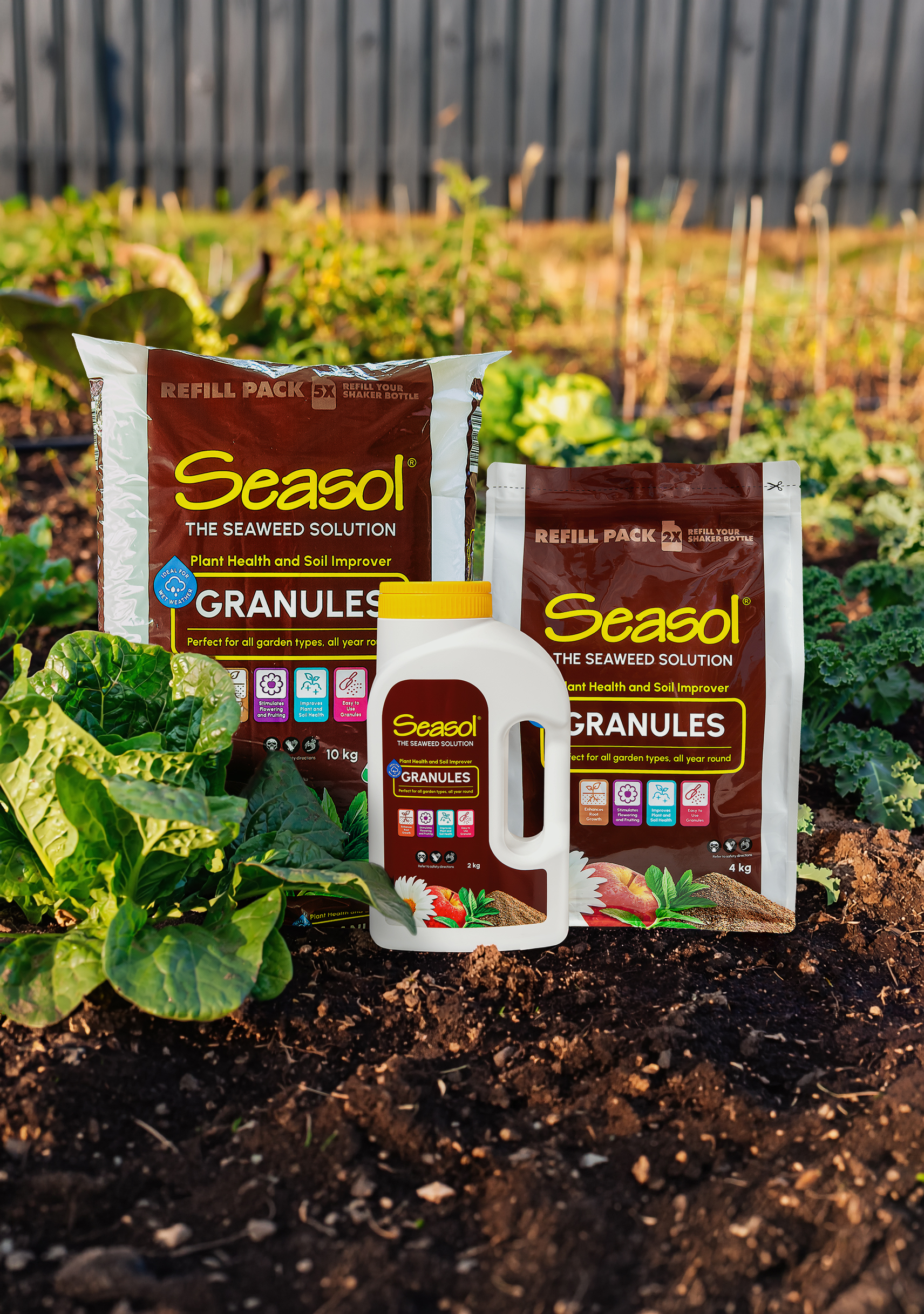
With so much going into the ground this month, from leek and asparagus crowns to new natives, it’s worth giving the soil itself a little attention too. August can be a genuinely wet month, and liquid feeds are fiddly to apply properly when beds are already soaked, so this is where the new Seasol Plant Health and Soil Improver Granules really earn their keep. They’re easy to scatter straight onto damp soil before planting, no mixing or watering in needed, which makes bed prep quick even between rain showers.
Scatter them through vegie beds and around new plantings a week or two before you sow or plant out, so the soil has a head start by the time seedlings and crowns go in. It’s a simple, low-effort way to give this month’s plantings the best possible foundation.

Indoor Plants Are Stirring Too
It isn’t just the garden outside feeling the extra daylight. Indoor favourites like peace lily, calathea, aspidistra (cast iron plant) and anthurium all start pushing fresh new growth as light levels lift, even if they’ve spent the whole winter in the same cosy spot.
August is a lovely time to check whether any are ready for a bigger pot. Keep an eye out for a potting mix level that’s dropped, a pot that tips over a little too easily, or a plant that seems thirsty no matter how often you water it. Repot into fresh Seasol Indoor Potting Mix and water in with Seasol at 40mL per 9 litres to help your plant settle happily into its new home.
If you spot roots circling tightly around the base of the pot, gently tease them out before replanting. It encourages them to grow outward into the fresh mix and gives the plant the best start in its new pot.