The lush, emerald lawn is a symbol of order, tranquillity, and beauty for many Australians. But in a climate that ranges from hot to cold, from arid desert to summer monsoons, it can be a challenge to get the verdant lawn you want.
Before you pour hours of time, stacks of money, piles of fertiliser and fountains of water into your lawn, read over our handy guide to the grasses that grow best in Australian climates.
We’ll help you choose the best grass types for your lawn, and we’ve also included some great tips on conserving resources and minimising damage to Earth as well.
If you’ve struggled to grow a luscious lawn in the past, don’t worry! We can help you to grow a beautiful and resilient lawn, even in Australia’s tough climate.

How Does Lawn Grass Grow?
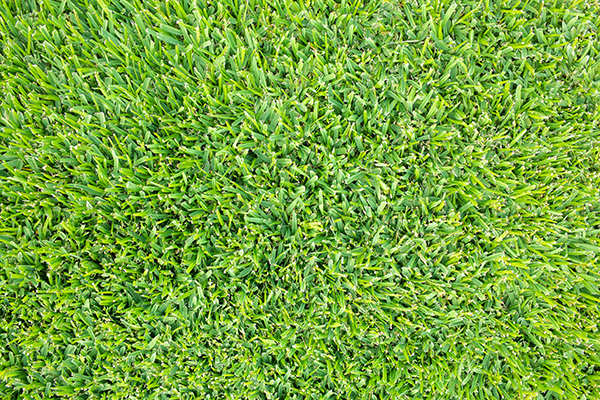
There are about 10,000 species of grass on earth. Of them, the group of grasses known as turf-grasses are “narrow-leaved grasses that form a uniform, long-lived ground cover that can tolerate traffic and low mowing heights (usually five centimetres or below).” These turf-grasses are ideally suited for growing lush, velvety carpets.
Turf-grasses fall into two broad categories: cool-season grass or warm-season grass. Years of selective breeding have created many varieties of each type of grass with traits that make them hardy and adaptable to many environments.
Australia’s generally warm climate means warm-season grasses are more popular here. If your lawn is growing in a cooler climate though, you’ll still be able to find the perfect grass that thrives in your region.
Cool-season Grasses
As their name suggests, cool-season grasses put on bursts of fresh growth during late autumn and early spring. These beautiful grasses use the temperate seasons to green up, grow healthy root systems and store up carbohydrates before going dormant to avoid the extreme conditions of winter and summer. In Australia, if your region ever gets frosts, you can expect cool-season grass to grow well.
The root systems of cool-season grasses grow to a maximum depth of about 30 centimetres. This means these grasses get all of their water from the top layers of soil, and need more water than warm-season varieties.
Directly seed cool-season grasses when temperatures range from 15°C – 23°C and there is enough water to keep tender seedlings alive. Common varieties of cool-season grasses include ryegrass, fescue, and bluegrass.
Warm-season Grasses
Warm-season grasses thrive in warmer temperatures. These dependable grasses are well-suited to most climates in Australia and are the favourite choice for fantastic lawns down under. Later in the spring and into early summer they’ll begin to put on new leaves and roots, grow all summer, and die back in the autumn. Warm-season grasses usually turn golden or brown after the first frost.
Warm-season grasses grow deep, robust root systems that are capable of reaching water deeper in the Earth. With root systems measuring up to two metres, these grasses form healthy and well-established lawns that last for years.
Look for these grasses to germinate when air temperatures reach 21°C – 32°C. Common varieties of warm-season grass include buffalo grass, couch grass, zoysia grass and kikuyu grass.


How Do Grasses Grow?
Grasses multiply in three different ways.
Seed production is one-way grass reproduces. Grasses grow hundreds of tiny seeds per plant, and these seeds can easily spread to the land around. Wind, water, animals, and mowing can all help scatter grass seed across long distances.
New baby plants that grow directly from a parent plant are known as tillers. Some grasses spread by growing tillers from their rhizome. Rhizomes are stems that branch under the ground, and grow leaves and roots from nodes to form new plants.
A similar process takes place above the ground using the plant’s stolons. These are ground-level stems that branch out flat to the earth. Stolons grow tillers by putting down roots and growing leaves wherever a node touches the soil.
How grass spreads out will impact how much wear and tear a lawn can handle, how you manage watering and fertilising, and how often and tall you decide to mow.
Trial and error in your specific yard will be your best guide to managing all these factors, but the main foundation is choosing the best type of grass to grow in your lawn.
The Best Grasses for Australian Lawns
Let’s take a look at the best, most popular types of grass to grow in your lawn. We’ll cover the popular warm-season grasses, and then the most popular varieties of cool-season grass for Australian lawns.
Buffalo Lawn
Buffalo grass is a fantastic, warm-season choice for low-maintenance, low-traffic lawns. Thanks to selective breeding, you can choose from several outstanding varieties of soft-leaf buffalo grass. Check your local hardware or lawn specialist for varieties to suit your climate. This grass grows wide, round-tipped leaves that form a soft, green carpet in your lawn.
Buffalo grass is well-adapted to low water levels, but it does require steady watering during the summer months to stay green. Watering approximately two centimetres per week will keep your lawn lush and green for the entire season.
Take caution though – too much water will encourage weeds and other grasses to crowd out your buffalo grass. Too little water will cause it to go dormant and turn golden brown.
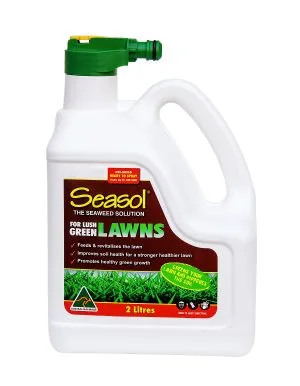
To keep your buffalo lawn looking good throughout the growing season for family, friends and pets to enjoy, feed it regularly every fortnight or month with Seasol for Buffalo Lawns. As a fast-acting liquid hose-on it goes to work immediately to feed and revitalise all buffalo lawns by improving soil health for a stronger healthier lawn.
Pros of growing a buffalo grass lawn:
- Soft, broad leaves
- Low growth profile
- Drought tolerant
- Sun-loving
Cons of growing a buffalo grass lawn:
- Cannot stand shade
- Requires irrigation or moderate but regular rainfall
- Susceptible to takeover by weeds
- Easily damaged by people and pets
Buffalo grass does not hold up well to high traffic, but repairs itself quickly. It responds well to mowing to a height of 3 – 8 centimetres, and does best with longer spaces of time between mowing.
The ideal climate for growing a buffalo grass lawn is an area that receives full sun and moderate to low rainfall. It prefers heavy clay soils, and will not thrive in sandy soils or areas with high rainfall.
Buffalo grass grows beautifully in most areas of Australia, especially Queensland, Melbourne, Perth and Sydney.

Couch Grass
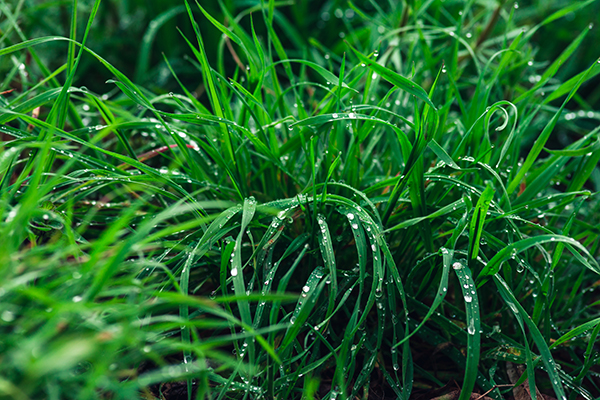
Couch grass is a widely popular warm-season grass for Australian yards. A sub-variety of bermuda grass, couch grass is hardy, resistant to wear and tear, and repairs itself well. Couch grass grows fine, narrow, pointy-tipped leaves that form a dense carpet of bright green foliage. This grass is ideal for yards, schools, golf courses, cemeteries, and other areas that need a low-growing, dense lawn.
Couch grass is probably the fastest growing lawn grass out there. It’s very heat and drought tolerant. It’s happy in the sun and will tolerate some shade. It cannot survive frosts or deep shade.
To support its speedy growth, couch grass needs 2.5 – 3 centimetres of water per week. A quick water 2-3 mornings per week in summer should keep the grass lush and soft. Couch grass also needs a year-round fertilising regimen to keep it healthy and productive. Low nutrients will result in bare spots and scraggly, prickly grass. Apply Seasol for Lush Green Lawns every fortnight to month to feed and revitalise the lawn, promoting healthy growth and enhancing foliage colour. It also helps to reduce stress from heat, frost and foot traffic.
Seasol for Lush Green Lawns is safe and ideal for all lawn varieties mentioned in this article.
Couch grass grows aggressively via stolons and rhizomes and is known for its horizontal growth. It can become invasive if not managed properly. It’s a high-maintenance grass, so regular mowing and edging will be needed to keep couch grass from growing out of bounds. Thankfully, its high recovery and repairability means this grass can handle heavy wear and tear.
Pros of growing a couch grass lawn:
- Grass seed is inexpensive
- Very drought tolerant
- Sun loving and shade tolerant
- Great for high traffic areas
- Soft, green grass for most of the year
Cons of growing a couch grass lawn:
- Prone to creeping underground into unwanted areas such as garden beds
- Dormant and brown during winter
- Needs to be managed year-round
- Can become prickly if it gets too dried out in the heat
An ideal climate for couch grass offers well-drained soils and plenty of sunshine. This makes it well-suited to northern climates especially. To keep it nice and green during winter months, it’s a good idea to oversow with cool-season grass such as rye.
Couch grass grows well in most populated areas of Australia including Melbourne, Queensland and Sydney.


Zoysia Grass
An established lawn of warm-season zoysia grass is the best option for very hot and dry regions. It’s extremely drought tolerant, and its deep rooted underground runners make it an excellent ground cover. This grass uses water so efficiently, it can survive on natural rainfall amounts without any additional watering. It’s also very saline tolerant and can thrive next to the ocean or near saltwater swimming pools.
Zoysia grass grows a dark, rich green with fine to medium wide leaves and pointy tips. These characteristics give it a soft, lush texture that is ideal for family homes and commercial uses. It’s very tolerant of wear and tear, and can quickly repair itself after damage. It also has low fertilisation requirements and can tolerate up to 50% shade.
Pros of growing a zoysia grass lawn:
- Extremely drought-tolerant grass
- Lovely colour and texture for lawn
- Deep, stable root systems provide great erosion control
- Slower growing grass that needs less mowing
- Happy in the sun and shade
- Very tough grass can handle children, pets, and high-traffic
Cons of growing a zoysia grass lawn:
- Slow-growing grass can be difficult to establish (Apply Seasol Lawn + Turf Starter to aid establishment to help boost growth.)
- Can become very invasive due to stolon and rhizome expansion
- Turns brown in cold seasons
- Tough grass dulls lawn equipment faster
You can mow zoysia less frequently than other turf grasses. In summer, you can mow once every 7-21 days, and once every 3-4 weeks in the wintertime. You can also enjoy the flexibility of mowing as tall or short as you want. Apply Seasol Lawn Care after mowing to enhance lawn and soil health to promote healthy growth and a strong root system.
Zoysia grass is the best option for the hottest, driest lawns in Australia. It’s particularly suited to locations in Adelaide, Perth and Queensland.


Kikuyu Grass
Kikuyu is a fast growing, densely spreading warm-season grass. It spreads by stolons and rhizomes, and will quickly become invasive if left unattended. However, in a well-managed lawn, kikuyu creates a bright green, soft and heat-loving lawn. Its ability to self-repair quickly makes it a perfect choice for homes of families with children and pets.
Kikuyu has shaggy, broad leaves that are soft and lush when mowed regularly. To establish a strong root system, kikuyu grass needs heavy watering when it’s first planted. Water once in the morning and again in the evening for the first fourteen days. Once established, watering once every 8-10 days should be enough to keep your lawn green and growing.
Pros of growing a kikuyu grass lawn:
- Grows particularly well in any soil – even poor soil (Apply Seasol Lawn + Soil Booster to help improve soil and lawn health.)
- Will aggressively cover bare earth
- Creates a beautiful, soft, luxurious lawn
- Very drought tolerant
- Great for lawns with high traffic
- Very shade tolerant grass
Cons of growing a kikuyu grass lawn:
- Kikuyu grass is very aggressive and will take over everything else
- Shaggy, longish grass blades can be coarse and rough if not cut regularly
- Requires intense management
Kikuyu is renowned for its ability to grow in any soil type, but its favourite conditions are fertile, medium sandy soils. This grass also adapts better than most to shade, and can handle moderate amounts of shade.
If you choose kikuyu grass for your lawn, you must mow and trim the edges weekly. This is important because it helps the lawn stay soft and lush. More importantly, you can prevent your grass from becoming an invasive nusiance.
To combat this trait of invasiveness, you can also choose a variety that’s genetically sterilised. This means that the seeds of this grass are not viable, and will not sprout when they are distributed into their environment.
Kikuyu grass is a great option if you’re trying to grow a beautiful lawn in Queensland, Adelaide, Melbourne or Perth.


Cool-season Grasses
Cool-season grasses can be an excellent choice for southern Australian lawns.
These grasses go dormant and turn brown during the summer, but they can be a delightful supplement to keep your lawn green during the winter months. The key is to water them enough during the spring and summer months to keep them alive until they begin to grow again in the autumn.
There’s a good way to tell if cool-season grass will be happy in your yard. If your region gets frosts at any time of the year, then cool-season grasses will grow well. In fact, if moisture requirements are met, a cool-season variety may be a perfect fit for your whole lawn.
Some fantastic choices that have proven themselves in Australian climates include Kentucky Bluegrass, Tall Fescue, Red Fescue and Perennial Ryegrass.