What El Niño Means for Your Garden
For most of Australia, El Niño means a warmer summer and a rainfall story that depends on where you live. The Bureau of Meteorology predicts warmer-than-average days are likely across most of the country from October to December, and nights are will almost certainly be warmer than average almost everywhere.
A strong El Niño out in the Pacific doesn’t always play out locally, so your own rain may not follow the forecast.
Because the rain is a coin toss in plenty of places, the prep is the same whether you end up dry or wet: soil that takes water in, a cover that keeps it there, and watering that reaches the roots rather than the footpath.
Make Your Soil a Water Magnet
Start with your soil. Everything else on this list works better once it’s actually taking in water. Tip some water onto bare, dry soil. If it beads up and skates off, the soil has gone water-repellent (hydrophobic), which is common in sandy patches, pots under the eaves and beds that miss out on rain.
Waxy residue coats the soil, so water sits on top and leaves dry pockets around the roots. It can be wet in one spot and dry a foot away, so dig down in a couple of places to check.
Seasol Super Soil Wetter & Conditioner is the fix. It’s a wetting agent, soil conditioner and plant health treatment in one, and it helps water soak in and stay in the root zone, so more of each watering, and any rain that arrives, reaches the roots. Get it on before the heat, not mid-heatwave.
Lock It In with Mulch
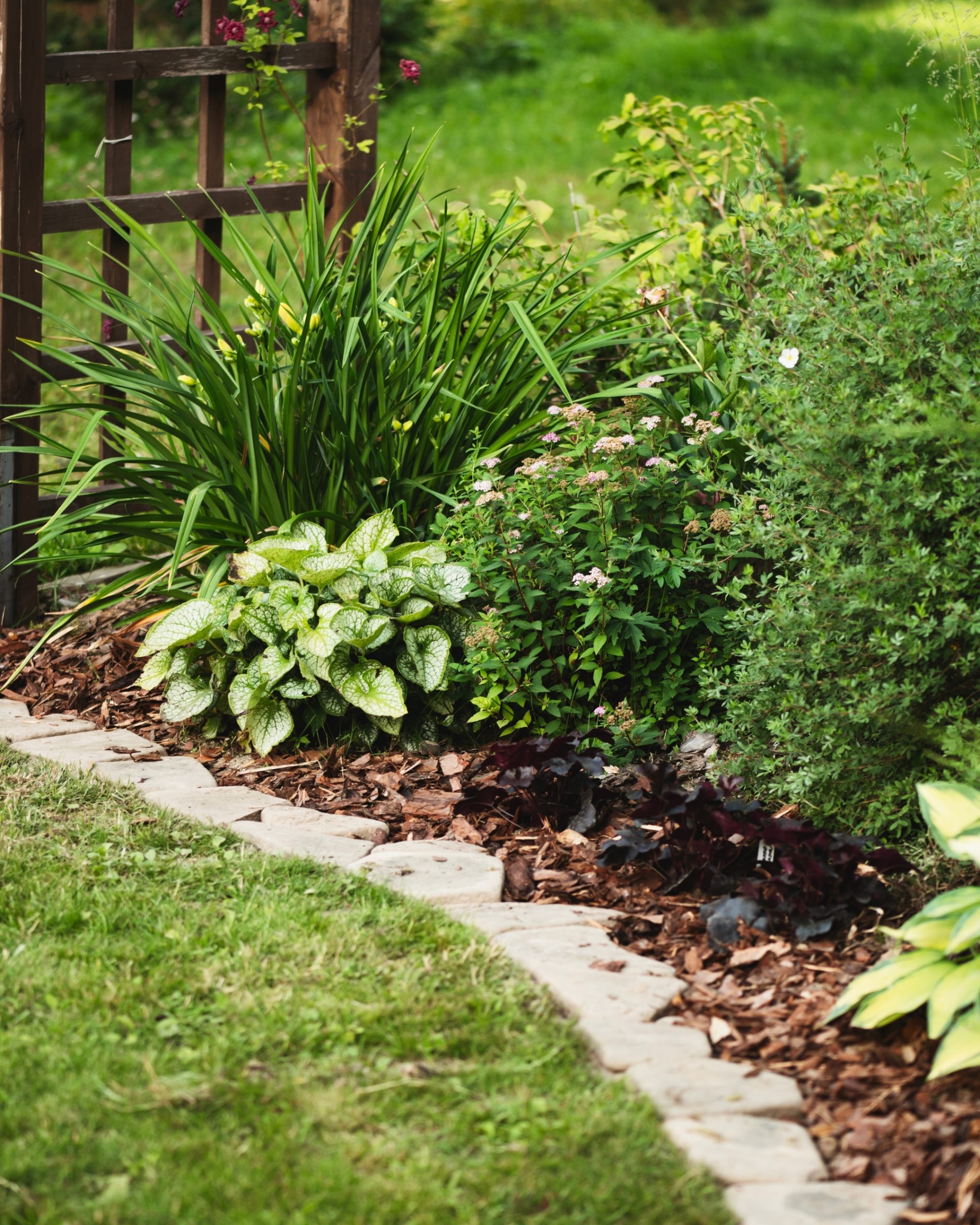
Once the soil is drinking properly, mulch keeps that water where it belongs. A good 50 to 75mm on irrigated beds slows evaporation, keeps roots cooler and stops weeds helping themselves to your water, and bare soil can run much hotter than the air above it, so a covered bed is a different world.
Natives and beds that rely on rainfall do better with about 50mm, so rain can still get through, and on sandy soil it’s worth checking every so often that the mulch hasn’t gone water-repellent.
Whichever mulch you go with, keep it a hand’s width back from stems and trunks.
Give Roots a Head Start with Seasol
Roots are where summer is won or lost, and that’s where regular applications of Seasol really earn their place in your routine. It stimulates strong root growth and beneficial soil microorganisms, and helps plants cope with heat, drought and frost. Start before the heat arrives and apply it in the early morning or late evening, not in the middle of the day.
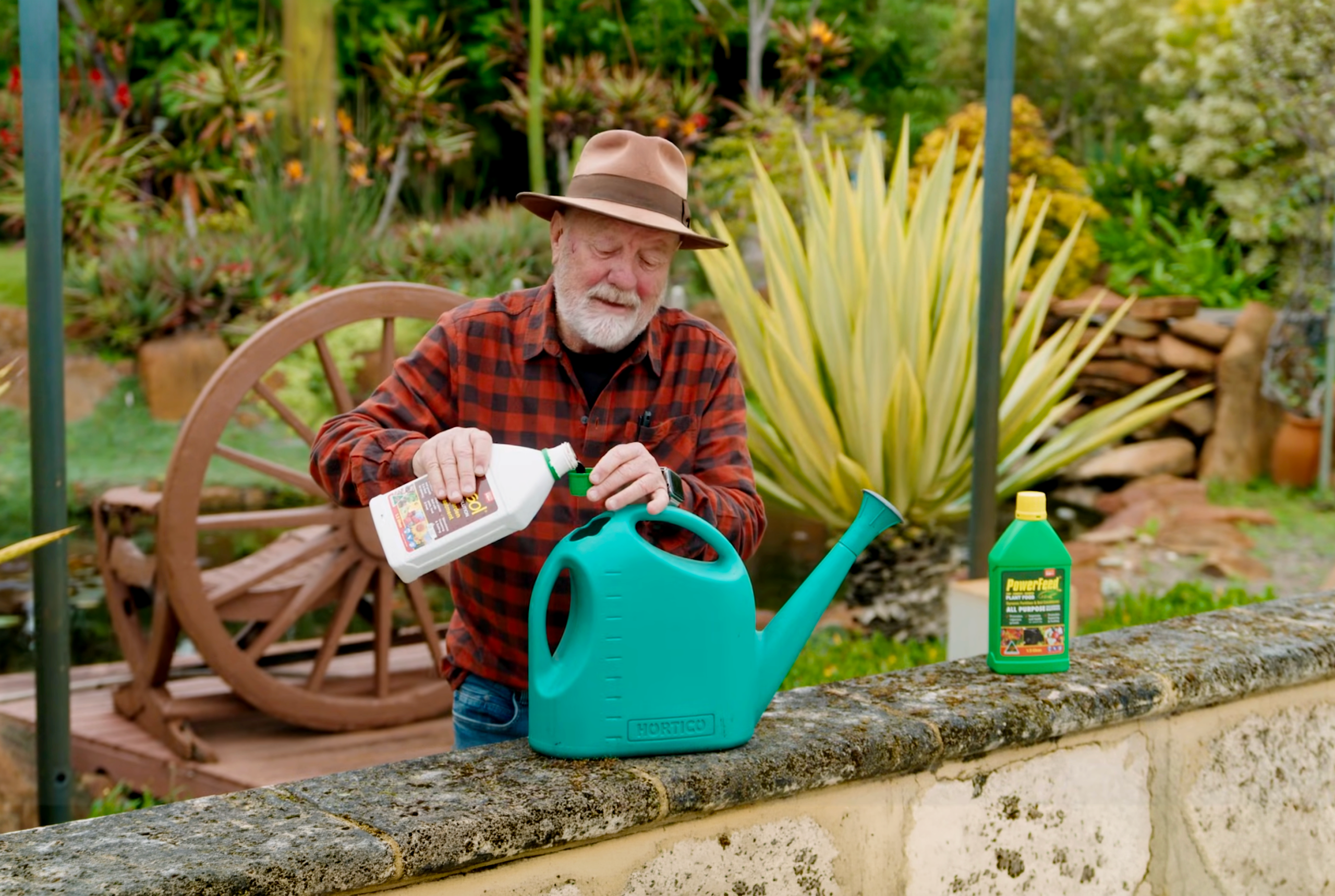
Pair Seasol with Power Feed and the whole job is covered: Seasol looks after the roots, Power Feed does the feeding, and the two are made to be mixed in the one watering can for a single application.
The only catch is heat. Skip Power Feed on days forecast to top 25°C, as the label advises, and in a proper heatwave hold the fertiliser altogether, because feeding pushes plants into new growth just when they need to conserve energy and recover. Stick to Seasol through the hottest spells and go back to your normal feeding routine once it eases off.
Water Smarter, Not Just More
Watering is where most of the water gets wasted. Early morning is the best time in hot weather, when less is lost to evaporation and roots can drink before the heat arrives, with late evening a decent second. Water at the base of the plant rather than over the leaves, and give beds a deep soak about once a week as a starting point (veg, pots and sandy soil will want more) instead of faffing about with a light sprinkle every day, which encourages roots to head down into cooler soil.
Knowing when a plant is actually thirsty is the other half of it. Plenty of plants, pumpkins included, wilt in the afternoon heat and bounce back as it cools, so poke a finger into the soil before you reach for the hose. Scorched leaves need the same restraint: leave them until autumn, then prune. They look rough, but they’re shading the healthy growth underneath.

Look After Pots and Baskets
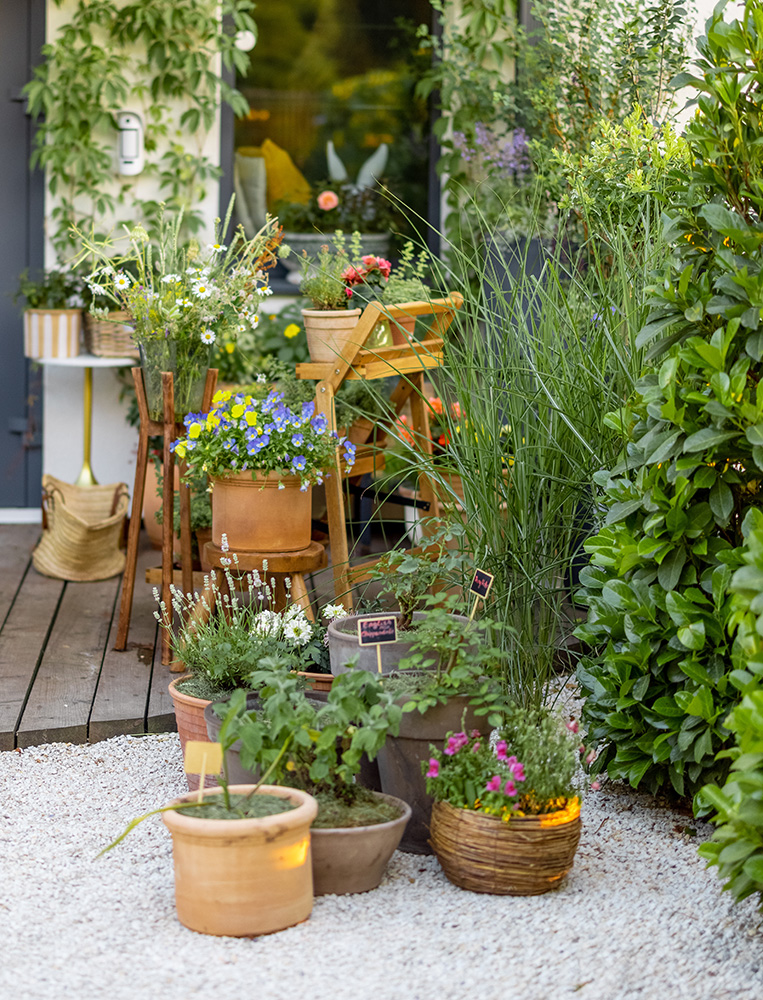
Pots and hanging baskets are always the first to go backwards, especially terracotta in the arvo sun, so they need the most attention in a hot, dry summer. Move them out of hot western sun or shade them through the worst of it, group them so they shade each other (and so the collection you’ve added to all year looks planned), top the mix with mulch or pebbles to slow evaporation, and skip saucers of standing water, which can rot roots and attract mosquitoes. If you’re buying, go for larger, lighter-coloured pots, which stay cooler and hold moisture longer than small dark plastic ones.
A pot can look watered when the mix below is bone dry, so if water beads up or runs straight down the side, the mix has gone hard and waxy. Give the pot a 30 minute soak in a bucket to rewet it, then let it drain.
For mix that keeps shedding water, Seasol Pot Plant & Soil Recovery helps dry, waxy soil absorb moisture and improves moisture penetration in hydrophobic soils, helping water reach the roots. It improves soil condition, reducing the need for repotting.
Lawn Care for Summer Heat
A thick lawn with deep roots handles summer far better than a closely mown one, and most of what makes the difference happens before the heat. Mow on the highest setting your mower allows, so the longer grass shades the soil and keeps roots cooler, and do it before 10am or after 4pm rather than in the middle of the day.
Water deeply instead of a little every day (every week or two suits warm-season lawns like buffalo, couch and kikuyu, while cool-season lawns and sandy soils need it more often), and keep on top of the weeds, since they’re pinching water and nutrients from the grass.
A feed before the heat is worth doing while the weather is still kind. Seasol Power Feed Lawn Food Granules (All Lawn Types and Buffalo Lawns) deliver complete lawn nutrition with a powerful blend of fertiliser, organic manure and beneficial microbes to help your lawn thrive. Water it in thoroughly, and pick a cooler day: it shouldn’t go on when the forecast tops 25°C, or when the soil is dry and the lawn is already struggling.
Alternatively, Click & Grow Seasol for Lush Green Lawns + Iron & Soil Wetter improves soil quality and microbial activity, supporting stronger roots and better nutrient uptake, and is safe to use on all lawns including Buffalo.

Keep the Veggie Patch Easy
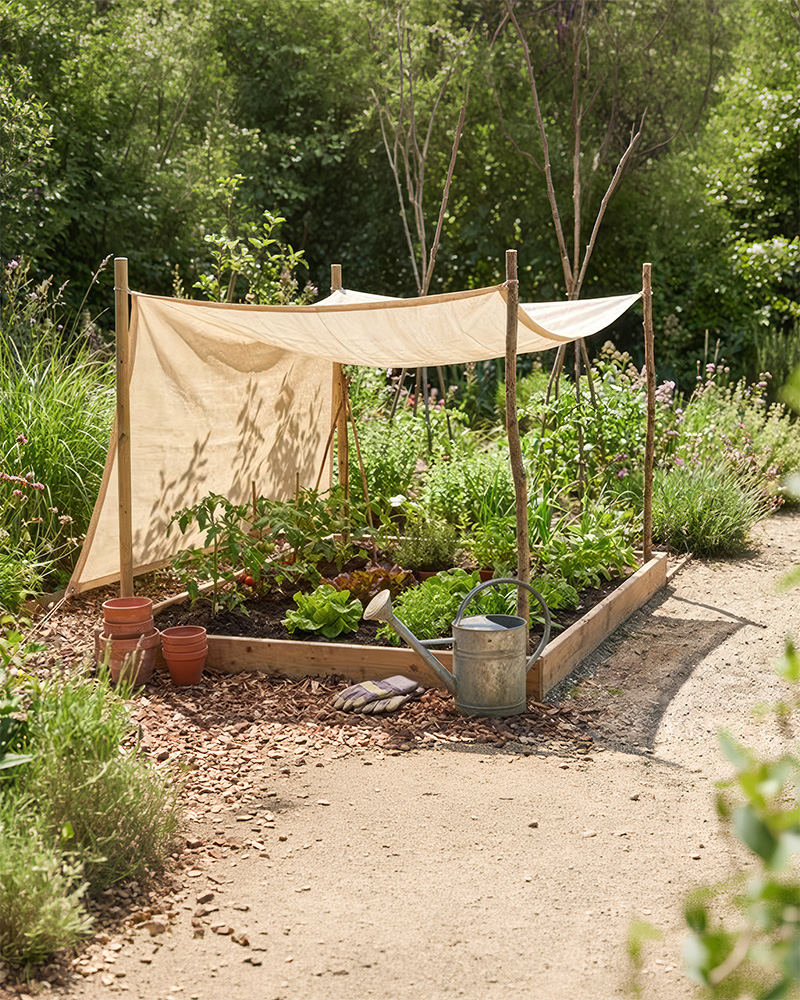
Summer sun ripens veggies fast, so a bit of prep now means less fuss and less watering later. Mulch beds with lucerne, pea straw or sugarcane to hold moisture, water in the morning, and tuck new seedlings under 50 per cent shadecloth until they’ve settled in.
Seasol reduces transplant shock, so water in new plantings with it when the heat is on. As crops come on, harvest in the cool of the morning and pick regularly, because a plant that’s picked often keeps on producing.