Help plants cope with hotter days
Late spring often brings the first taste of summer, and this November warmer conditions may arrive earlier or linger for longer. A run of hot days can quickly stress newly planted trees, shrubs, seedlings and hanging baskets, especially if they’ve been growing through mild spring conditions.
Rather than watering lightly every day, aim for deeper watering that encourages roots to travel further down into the soil. Plants with deeper roots are generally better equipped to cope when temperatures climb. Keep an eye on potted plants too, as containers often dry out much faster than garden beds.
If a hot spell is forecast, water thoroughly beforehand and check vulnerable plants during the hottest part of the day. Young plants, recently transplanted specimens and anything growing in pots may need extra attention.
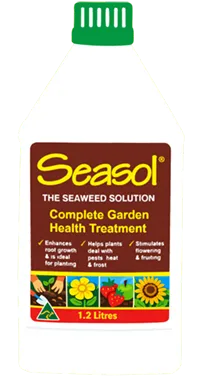
Regular applications of Seasol can help support healthy growth and assist plants through periods of environmental stress, making it a useful addition to the watering routine as summer approaches.


Make every drop count
With rainfall expected to vary across the country, respond to your garden’s conditions rather than watering to a fixed schedule. Some areas may receive useful spring rain, while others may become drier as temperatures rise.
As soils dry out, they can become water repellent, causing water to pool on the surface or run away from where it’s needed. Potting mixes can develop the same problem, particularly in containers exposed to full sun.
At the other extreme, after periods of heavy rain, allow waterlogged soils to drain before watering or feeding again. Check pots and saucers too, making sure excess water isn’t sitting around the roots.
Check mulch levels while you’re there. A fresh layer of organic mulch helps moderate soil temperatures, reduce evaporation and keep moisture around plant roots.
Seasol Super Soil Wetter & Conditioner helps water penetrate the soil more effectively and improves water distribution around plant roots. It is particularly useful in containers, raised beds and garden areas that have become difficult to wet evenly.
Improving water penetration can also help your garden make better use of rainfall when it arrives, while reducing unnecessary water loss during drier periods.
Get your summer vegies growing
November is a busy month in the edible garden, with tomatoes, chillies, capsicums, cucumbers, zucchini and beans putting on strong growth and moving towards flowering and fruiting.
Keep on top of harvesting, watering and feeding, and stake tomatoes and climbing crops before summer growth takes off.
If you’re planting new vegetables, raised beds and large containers are great options. Starting with a quality growing medium gives plants a strong foundation for the months ahead.
Seasol Tomato & Veg Growing Mix is designed for growing vegetables and herbs in containers, raised beds and other growing spaces, helping support healthy root development and a strong start.


Stay ahead of pests and disease
Warm weather, combined with periods of rain or increased humidity, can create favourable conditions for pests and disease, so regular garden checks are important in November.
Take a quick walk around the garden every few days and check new growth on roses, vegetables and flowering plants for aphids, caterpillars or signs of fungal disease. Don’t forget to turn leaves over and check underneath, where pests and disease can often go unnoticed.
Good garden hygiene can help prevent problems from spreading. Remove diseased foliage and fallen leaves around affected plants, keep plants well spaced where possible and thin out dense growth to improve airflow. Where fungal problems are a concern, water around the base of plants rather than regularly wetting the foliage.
Roses may begin showing signs of black spot during warm, damp conditions, while powdery mildew can also become an issue on susceptible plants. Catching problems early can help prevent them from becoming more widespread.
The same applies in the vegie patch. Regular harvesting and keeping an eye on new growth can help plants stay productive while making it easier to spot problems before they spread.
Summer-ready lawn care
November is also a good time to give lawns some attention. As temperatures rise and growth picks up, keep on top of regular mowing, watering and feeding.
In hotter, drier conditions, raising the mower height slightly can help shade the soil and reduce moisture loss. In wetter conditions, mow regularly but avoid cutting the lawn too short, particularly when it’s under stress.
Seasol PowerFeed Lawn Food Granules can help support healthy growth and keep lawns looking their best as summer approaches. Its balanced blend of nutrients helps encourage healthy green growth while supporting stronger roots, helping lawns build resilience ahead of the warmer months. Regular feeding can also help lawns recover from everyday wear and maintain healthy, even growth during their active growing period.
Always follow the label directions and avoid feeding a dry or heat-stressed lawn.


Looking ahead to December
December usually brings longer hot periods, holiday plans and increased demand on the garden. With a warmer November giving many gardens an early taste of summer, preparations made now should pay off in the weeks ahead.
Keep mulch topped up, continue checking soil moisture and adjust watering according to rainfall and conditions. Fruit trees will appreciate consistent moisture as crops develop, while lawns will benefit from regular mowing and ongoing care.
If you’ll be away over the holiday period, now is the time to organise irrigation, enlist a gardening friend or group pots together in a shaded, protected position.
Most importantly, take some time to enjoy the results of your spring efforts. Vegetables are cropping, flowers are blooming and the garden is full of growth. A little care now will help keep everything healthy and thriving as we head into summer.